Claims that a named community lives to exceptional ages because of one diet need more than repetition. A travel story, a testimonial or a photograph does not establish accurate ages, causation or a treatment effect. This site does not present dramatic longevity accounts as verified evidence. You can enjoy simple plant-focused meals while recognising that lifespan is affected by many factors and cannot be guaranteed by a food list.
Ask what the evidence actually demonstrates
Separate a measured health outcome from a story about how someone looks or feels. A study of a nutrient is not the same as a study showing that a whole named diet produces a particular lifespan. Even when an association is reported, other differences between groups may matter. Be especially cautious if a longevity story is used to sell a supplement, fasting programme or cure. Practical food ideas should make sense without requiring you to accept an extraordinary claim first.
Do not confuse apricot fruit with kernels
Apricot fruit can be an ordinary food, while raw apricot kernels present a different issue. Food-safety authorities warn of cyanide risk from raw kernels. Do not use kernels as a treatment or assume that a natural or traditional description makes them safe. Products marketed around amygdalin or similar cure claims should not replace medical care. These recipes use suitable fruit ingredients and do not call for raw kernels. If a product label or recipe is unclear, leave it out and consult official guidance.
A practical example
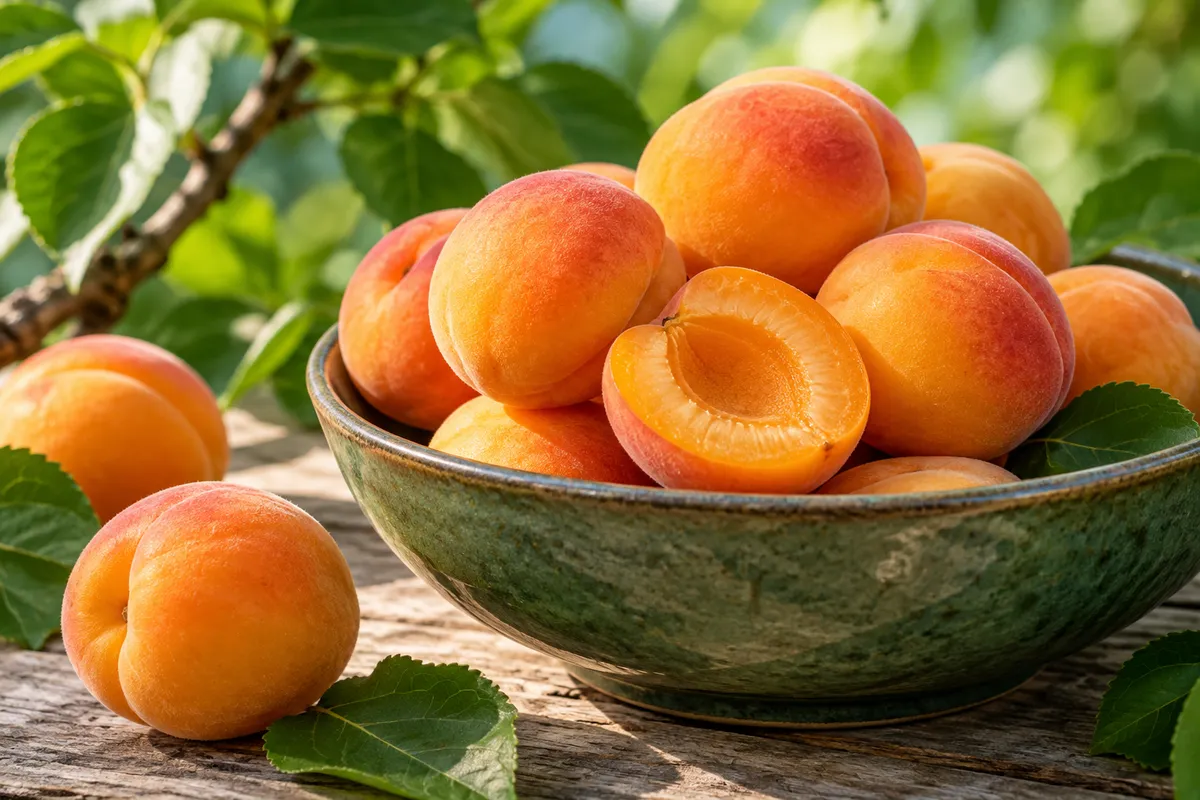
A bowl containing ordinary apricot fruit or another suitable fruit is a food choice. Raw apricot kernels are a different ingredient with a recognised safety concern. A lentil dinner can be enjoyable without being described as a secret to living past a particular age. Clear distinctions prevent ordinary cooking from becoming misleading medical advice.
Try it this week
Write down the specific outcome promised by a claim and identify the evidence offered. Does it show that outcome, or only discuss one ingredient? If the claim requires buying a concentrated product or abandoning care, treat it with particular caution. Keep a simple meal idea separate from the medical promise so that you can retain what is useful.
- Is the promised outcome supported directly?
- Have I kept fruit and raw kernels distinct?
- Is a product claim encouraging replacement of medical care?
Keep the interpretation clear
The word inspired is important here. These meal ideas are a contemporary interpretation for ordinary kitchens, not documentation of what every person in Hunza eats or has eaten historically. A named region does not provide a shortcut around nutrition, safety or personal circumstances. You can borrow a preference for simple meals without accepting longevity stories, restricting entire food groups or buying products marketed as ancient secrets.
A varied diet can look different in different households. Check suitability if you have allergies, digestive conditions, pregnancy needs or an existing nutrition plan. If a more restrictive approach leaves you tired, hungry or anxious about food, seek help with a workable alternative rather than interpreting those difficulties as a required cleansing stage.
Keep the part that helps
After trying a change, judge it by a practical question: did it make meals easier, more enjoyable or more varied? You do not have to continue an inconvenient habit to prove commitment to a named diet. Keep a useful recipe, change the ingredient you dislike and leave room for your existing routine.
If cost is the obstacle, look for a familiar substitute with the same job in the meal. If preparation is the obstacle, use a simpler method. If the obstacle is a medical concern, get appropriate advice rather than adding more restrictions. A flexible approach can improve everyday decisions without making a promise about health outcomes.
Sources and further reading
- NHS: the Eatwell Guide
- NHS: increasing fibre
- EFSA: apricot kernels and cyanide risk
- NHS: adult physical activity guidance
Keep exploring
- Hunza diet for beginners: a modern approach without longevity promises
- Hunza-inspired diet nutrition: plant foods, protein and balance
- A flexible Hunza-inspired meal plan for a UK kitchen
- Hunza-inspired shopping and meal prep: keep it ordinary
- Hunza-inspired recipes and lifestyle: small habits that fit your week
Keep exploring the practical questions.
Explore the guides