Start by defining what you mean by Hunza diet. Online descriptions can mix food suggestions with travel stories, idealised accounts of daily life and dramatic claims about lifespan. Those are different kinds of information. This website uses the phrase for a modern, flexible plant-focused approach, not a verified prescription from a particular community. That clarity lets you explore practical meals without inheriting every claim attached to the name.
Choose food ideas that stand on their own
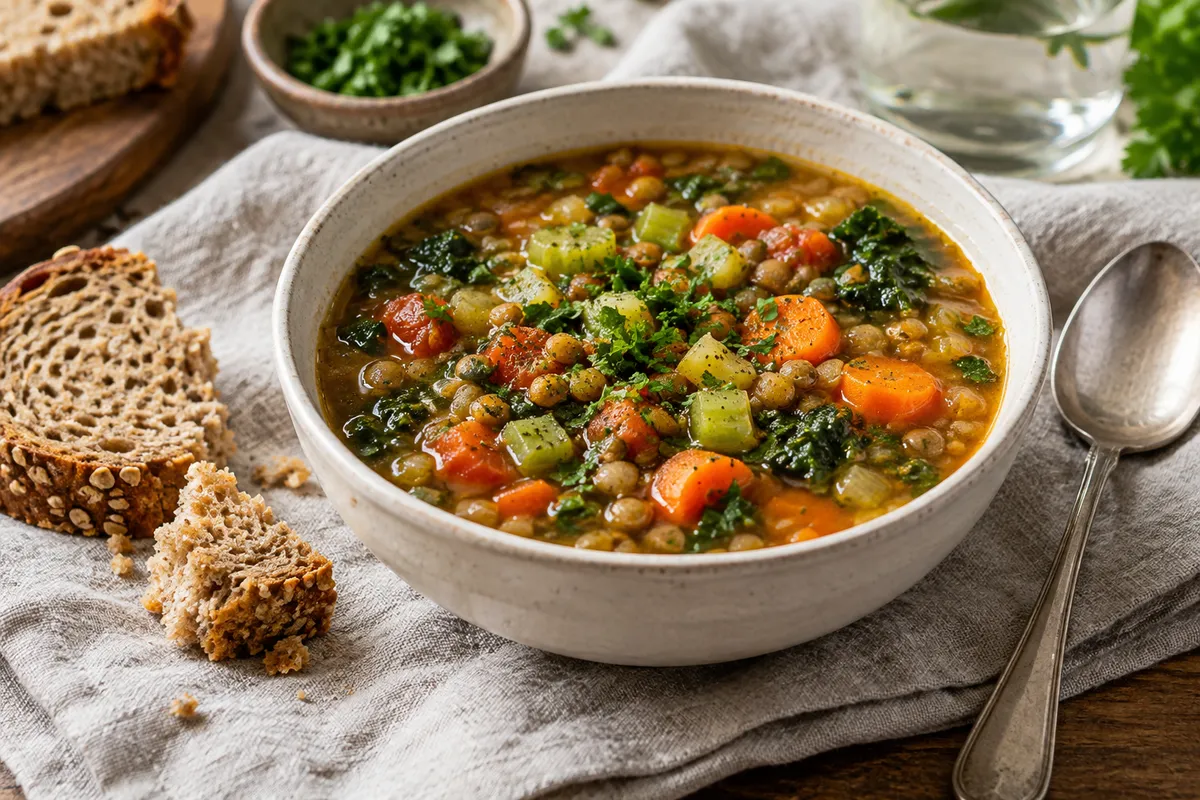
Vegetables, pulses, fruit and suitable wholegrain foods can be useful ingredients without requiring a story about extraordinary ages. Judge a meal by what it contains, whether it is satisfying and whether you can make it regularly. A bowl of lentil soup with bread is an ordinary practical idea. It does not need to be labelled a secret treatment. The same applies to simple cooking methods and seasonal shopping: their usefulness should be clear in your kitchen, not dependent on a romantic account of somewhere else.
Keep the pattern flexible
Include enough food, varied protein choices and suitable calcium sources. A plant-focused approach does not automatically need to be vegan, raw or very low in calories. If you exclude a food group, decide what replaces its nutritional role. There is no compulsory imported fruit, special water or fasting schedule here. Use your budget, preferences and any professional advice to shape the meals. You can explore one idea at a time without turning a regional name into a strict identity or medical plan.
A practical example
A modern bowl of lentils, vegetables and rice is an adaptable meal idea, not an authenticated historical Hunza recipe. The ingredients can be sourced from an ordinary UK supermarket and adjusted for appetite. A suitable yoghurt or fortified alternative might be used elsewhere in the day according to preference and needs.
Try it this week
Choose a simple dinner you already like and identify one small improvement: a pulse addition, more vegetables or a suitable wholegrain accompaniment. Make that change first. Write down what you liked and what was awkward. Keep the useful detail and leave aside any claim that requires you to believe a special food guarantees health or a particular lifespan.
- Have I separated food ideas from longevity claims?
- Does the meal contain enough variety and substance?
- Can I make it with ordinary local ingredients?
Keep the interpretation clear
The word inspired is important here. These meal ideas are a contemporary interpretation for ordinary kitchens, not documentation of what every person in Hunza eats or has eaten historically. A named region does not provide a shortcut around nutrition, safety or personal circumstances. You can borrow a preference for simple meals without accepting longevity stories, restricting entire food groups or buying products marketed as ancient secrets.
A varied diet can look different in different households. Check suitability if you have allergies, digestive conditions, pregnancy needs or an existing nutrition plan. If a more restrictive approach leaves you tired, hungry or anxious about food, seek help with a workable alternative rather than interpreting those difficulties as a required cleansing stage.
Keep the part that helps
After trying a change, judge it by a practical question: did it make meals easier, more enjoyable or more varied? You do not have to continue an inconvenient habit to prove commitment to a named diet. Keep a useful recipe, change the ingredient you dislike and leave room for your existing routine.
If cost is the obstacle, look for a familiar substitute with the same job in the meal. If preparation is the obstacle, use a simpler method. If the obstacle is a medical concern, get appropriate advice rather than adding more restrictions. A flexible approach can improve everyday decisions without making a promise about health outcomes.
Sources and further reading
- NHS: the Eatwell Guide
- NHS: increasing fibre
- EFSA: apricot kernels and cyanide risk
- NHS: adult physical activity guidance
Keep exploring
- Hunza-inspired diet nutrition: plant foods, protein and balance
- A flexible Hunza-inspired meal plan for a UK kitchen
- Hunza-inspired shopping and meal prep: keep it ordinary
- Hunza diet longevity claims and apricot-kernel safety
- Hunza-inspired recipes and lifestyle: small habits that fit your week
Keep exploring the practical questions.
Explore the guides